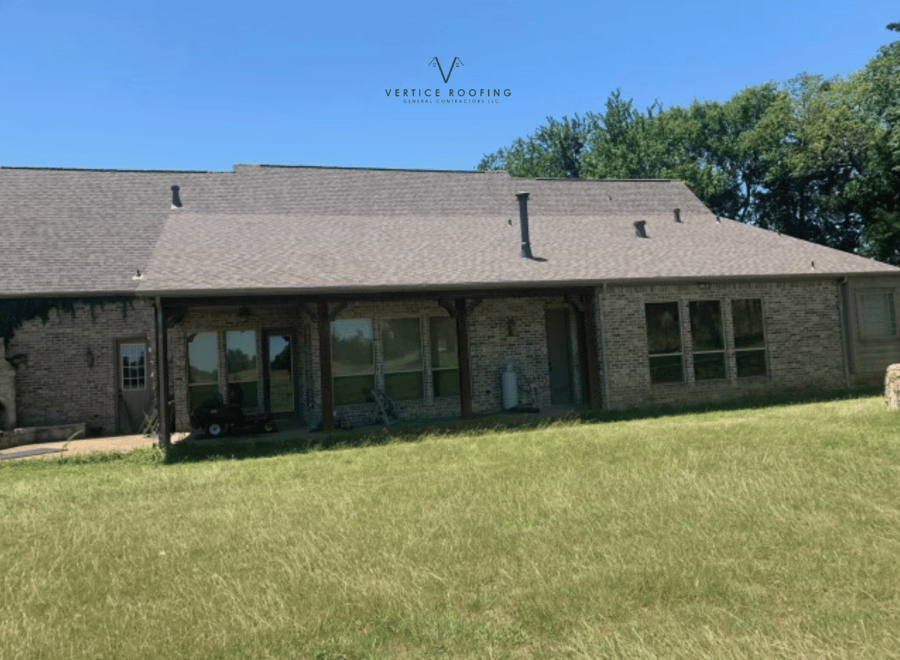
The Impact of Severe Weather Patterns on Roof Integrity
Living in Texas, particularly in North Texas areas like Plano, Frisco, McKinney, Allen, and Richardson, means dealing with unpredictable and often severe weather. As local residents know, the integrity of your roof is crucial to protecting your home or business from these weather extremes. Understanding how different weather patterns can impact your roof and knowing how to document any damage are key steps in maintaining your property’s value and safety.
1. Identifying Vulnerable Roof Types in Texas
Not all roofs are created equal, especially when it comes to withstanding Texas storms. Here are some roofing materials commonly found in North Texas and their vulnerabilities:
Asphalt Shingles
Asphalt shingles are a popular choice due to their affordability and ease of installation. However, they can be susceptible to wind and hail damage. It’s important to regularly inspect your shingles for signs of wear and tear, particularly after a storm. For more insights on how weather impacts different roofing materials, check out our detailed breakdown here.
Metal Roofs
Known for their durability and longevity, metal roofs are generally more resistant to weather extremes. However, they can still suffer from damage due to large hailstones or extreme wind conditions. Regular inspections can help identify any potential issues early on.
Flat Roofs
Commonly used in commercial properties, flat roofs can accumulate water during heavy rains, leading to leaks and structural damage. Routine maintenance and inspections are crucial to prevent long-term damage. Our guide can help you identify signs of storm damage.
2. How to Document Roof Damage After a Storm
Documenting roof damage effectively can be crucial when working with insurance companies. Here are some steps to ensure you’re prepared:
- Conduct a Visual Inspection: After a storm, perform a visual inspection of your roof from the ground. Look for missing shingles, dents in metal roofing, or pooling water on flat roofs.
- Photograph the Damage: Take clear, detailed photos of any visible damage. This documentation will be invaluable when filing an insurance claim.
- Schedule a Professional Roof Inspection: A professional roofer can provide a thorough assessment of your roof’s condition. Consider scheduling a no-obligation roof inspection with Vertice Roofing to ensure all damage is properly documented.
3. Understanding Wind and Hail Damage
Wind and hail are two common culprits of roof damage in North Texas. Understanding how wind speeds can impact your roof can help you take preventive measures. Learn more about wind damage and its effects here.
4. When to Call a Roofing Contractor
If you’re unsure about the extent of your roof damage, it’s best to call a local roofing company like Vertice Roofing. We offer comprehensive roofing services, including emergency roof repair and storm damage roof repair. Our team can assist with documentation and guide you on whether you need roof repair or replacement.
Conclusion
Severe weather is an unavoidable part of life in Texas, but understanding your roof’s vulnerabilities and knowing how to document damage can make a significant difference. Whether you need a roof inspection, repair, or replacement, Vertice Roofing is your trusted local expert in Plano and the surrounding North Texas communities. Contact us today to learn more about our services and how we can help protect your home or business.