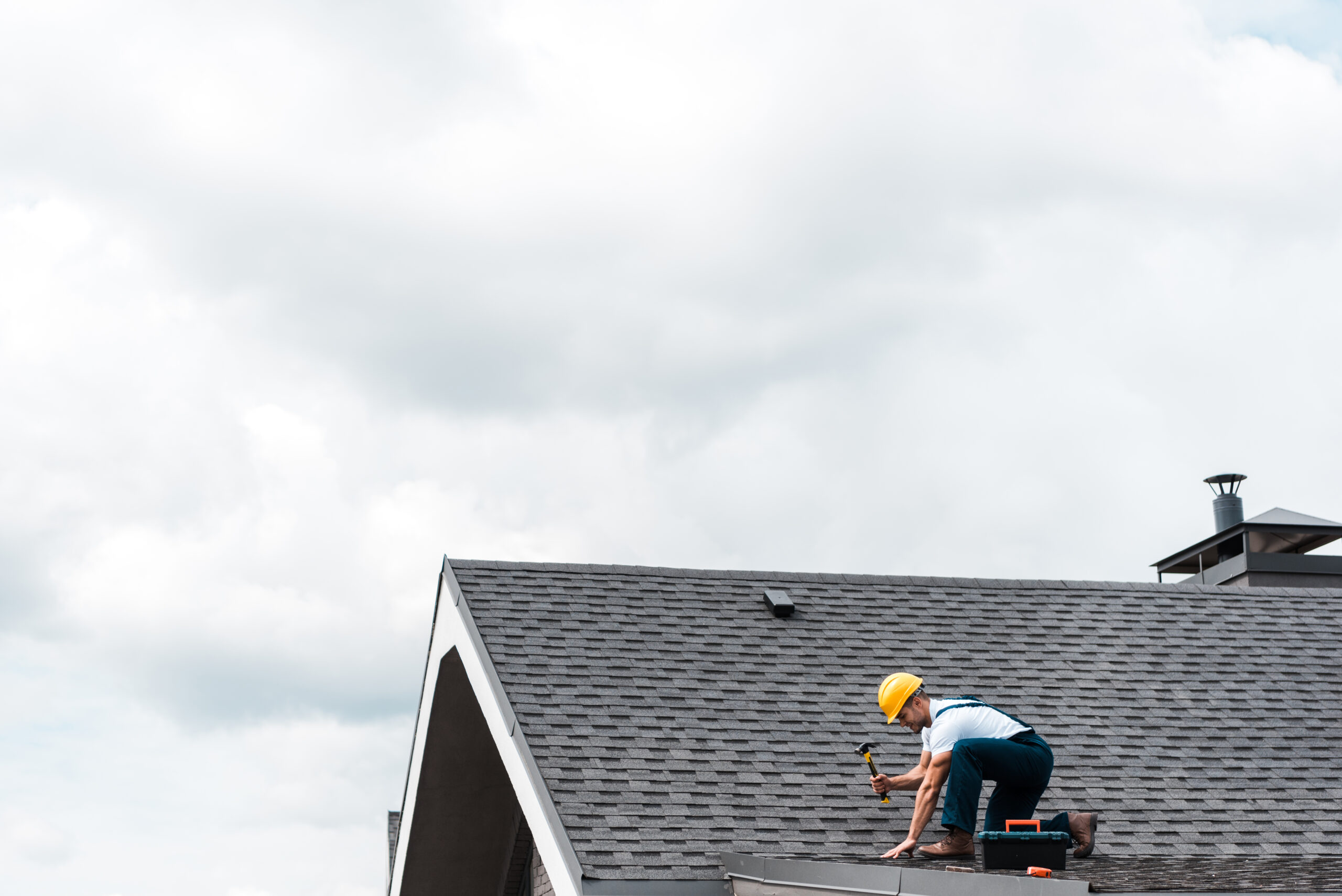
In North Texas, strong winds are a regular part of the weather—especially during storm season. But one question many homeowners ask is: what wind speeds can actually damage a roof?
The answer isn’t as simple as a single number. Roof damage depends on wind speed, roof condition, materials, and how your home is exposed to the elements. However, understanding general wind thresholds—and how they apply in Plano and surrounding areas—can help you recognize risks early and know when to take action.
Here’s a detailed breakdown of how wind affects your roof, what speeds cause damage, and when to call a professional like Vertice Roofing.
Why Wind Is One of the Biggest Roofing Threats in North Texas
North Texas is known for sudden storms, strong gusts, and seasonal weather patterns that can put consistent stress on roofing systems.
Unlike slow wear from heat or aging, wind damage can happen quickly—and often without immediate visibility. A single storm can loosen materials, break seals, or create small vulnerabilities that lead to leaks later.
Vertice Roofing frequently works with homeowners in Plano, Frisco, McKinney, and surrounding communities who didn’t realize their roof was damaged until weeks after a wind event.
Wind Speed Thresholds That Can Affect Your Roof
While every roof is different, there are general wind speed ranges that help explain when damage becomes more likely.
30–45 MPH: Minimal Risk, But Early Wear Can Begin
At this level, wind typically won’t cause immediate damage to a properly installed roof. However, it can:
- Begin lifting edges of older shingles
- Stress weak or aging materials
- Move debris across the roof surface
For newer roofs, this range is usually not a concern. But for older roofs or those with existing wear, this is where problems can start developing.
45–60 MPH: Moderate Risk of Damage
This is where wind begins to have a noticeable impact.
At these speeds, you may see:
- Loose shingles becoming lifted or partially detached
- Minor damage to flashing
- Debris (branches, objects) striking the roof
This is a common wind range during North Texas storms, and it’s often when subtle damage occurs—damage that may not be visible right away.
60–75 MPH: High Risk of Shingle Damage
Once winds reach this range, the risk increases significantly.
At this level, roofs may experience:
- Shingles being torn off completely
- Flashing failures
- Openings that allow water intrusion
Even well-installed roofs can be affected at these speeds, especially if materials have aged or previous repairs were not properly done.
After winds in this range, it’s a good idea to schedule a professional roof inspection to check for hidden issues.
75+ MPH: Severe Damage Likely
At wind speeds above 75 mph—common in severe storms and straight-line wind events—roof damage becomes much more likely.
Potential outcomes include:
- Large sections of shingles missing
- Structural components being compromised
- Immediate leaks and interior damage
At this point, the roof’s ability to protect the home is significantly impacted, and urgent attention is usually needed.
Why Some Roofs Get Damaged at Lower Speeds
You might wonder why one home loses shingles at 50 mph while another holds up at 70 mph. The difference comes down to several key factors.
1. Roof Age and Condition
Older roofs are more vulnerable to wind damage because:
- Adhesives weaken over time
- Shingles lose flexibility
- Fasteners may loosen
A newer roof installed correctly will generally withstand higher wind speeds than an aging one.
2. Installation Quality
Proper installation plays a major role in wind resistance.
If shingles were not installed correctly or flashing wasn’t secured properly, wind can exploit those weak points—even at lower speeds.
Vertice Roofing emphasizes professional installation practices to help roofs perform reliably under North Texas conditions.
3. Roof Design and Slope
Roof shape affects how wind moves across the surface.
- Steeper roofs may catch more wind
- Complex designs create turbulence
- Edges and corners are more vulnerable
Wind often causes the most damage at roof edges, ridges, and transitions.
4. Surrounding Environment
Homes with less protection—such as those without nearby buildings or trees—may experience stronger wind exposure.
At the same time, nearby trees can introduce additional risk if branches break and strike the roof during storms.
Signs of Wind Damage You Should Look For
Wind damage isn’t always obvious from the ground. After a storm, homeowners should look for signs that something may be wrong.
Common indicators include:
- Missing or lifted shingles
- Shingles lying in the yard
- Granules collecting near gutters or downspouts
- Bent or damaged flashing
- Debris buildup on the roof
Inside the home, you might notice:
- New water stains
- Damp attic insulation
- Musty odors
Even if damage seems minor, it’s worth having it evaluated. Vertice Roofing often identifies issues that homeowners couldn’t see from the ground.
Why Wind Damage Often Goes Undetected
One of the biggest challenges with wind damage is that it doesn’t always cause immediate leaks.
Shingles may be:
- Lifted but not fully detached
- Loosened in a way that weakens their seal
- Slightly misaligned, allowing water entry later
This means a roof can appear fine after a storm—but develop leaks weeks or months later.
That’s why a professional inspection after significant wind events is often the safest approach.
What to Do After High Winds in North Texas
If your area experiences strong winds, taking a few simple steps can help protect your home.
1. Perform a Ground-Level Check
Walk around your property and look for:
- Fallen shingles or debris
- Visible roof damage
- Gutter or flashing issues
Take photos of anything unusual for reference.
2. Check Interior Areas
Look inside for:
- Ceiling stains
- Moisture in the attic
- Signs of new leaks
These may indicate damage that isn’t visible from outside.
3. Schedule a Professional Inspection
Even if you’re unsure, scheduling a professional roof inspection allows experts to identify issues early.
Vertice Roofing provides detailed evaluations to help homeowners understand their roof condition without pressure.
Repair vs Replacement After Wind Damage
Not all wind damage requires major work.
In many cases, targeted roof repair can address:
- Isolated missing shingles
- Minor flashing damage
- Small leak points
However, if damage is widespread or the roof is already aging, it may be more practical to consider a roof replacement as part of long-term planning.
Vertice Roofing helps homeowners evaluate these decisions based on actual conditions—not assumptions.
Why Local Expertise Matters for Wind Damage
Wind patterns and storm behavior vary by region. What works in one area may not apply in another.
In North Texas, sudden gusts, storm fronts, and seasonal weather patterns create unique challenges for roofing systems.
Vertice Roofing brings local experience to every inspection, understanding how these conditions affect roofs in Plano, Allen, Richardson, and nearby communities.
This allows for more accurate assessments and recommendations that reflect real-world conditions.
Final Thoughts: Understanding Wind Speeds Helps You Act Early
So, what wind speeds can damage a roof in North Texas?
- Around 45–60 mph, minor damage can begin
- At 60–75 mph, the risk increases significantly
- Above 75 mph, damage becomes likely—even for well-installed roofs
But wind speed is only part of the equation. Roof condition, installation quality, and surrounding environment all play a role.
The most important takeaway is this: you don’t have to wait for obvious damage to take action. If your home has experienced strong winds, having your roof evaluated early can help prevent bigger issues later.
Working with experienced local professionals like Vertice Roofing ensures you get clear answers, practical guidance, and the confidence to protect your home—no matter what the next storm brings.