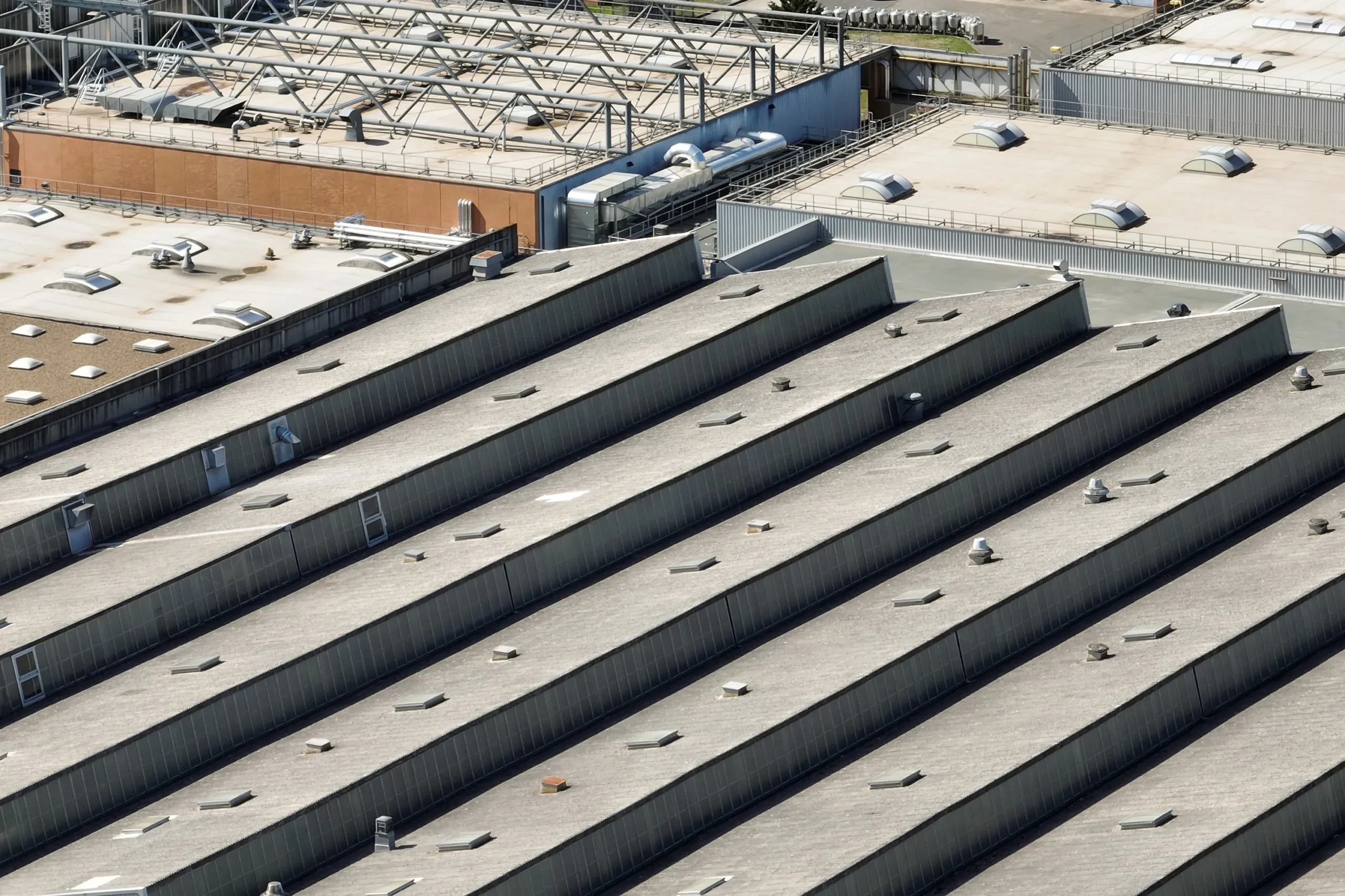
For commercial property owners and facility managers, few decisions carry as much financial and operational weight as addressing an aging roof. One of the most common questions Vertice Roofing hears from Plano and North Texas clients is whether commercial roof restoration or replacement is the better option.
The answer is rarely one-size-fits-all. Choosing between restoration and replacement depends on roof condition, long-term goals, budget planning, and how the building is used. Understanding the differences—and knowing how professionals evaluate each option—helps you make a confident, informed decision.
Below is a clear, practical breakdown of commercial roof replacement vs restoration, and how Vertice Roofing helps commercial property owners determine the right path forward.
Understanding the Difference Between Restoration and Replacement
Before comparing options, it’s important to define what each approach actually involves.
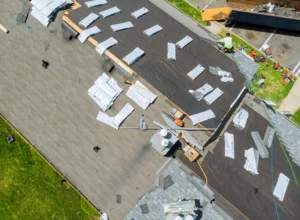
Commercial roof replacement typically means removing the existing roofing system down to the deck (or appropriate layer) and installing a new roof system. This resets the roof’s lifecycle and addresses both surface-level and underlying issues.
Commercial roof restoration, on the other hand, focuses on extending the life of an existing roof. Restoration often includes repairs, reinforcement, and protective systems such as coatings or sealants applied over a structurally sound roof.
Both approaches can be valid—but only when applied under the right conditions.
Step One: Evaluating the Current Roof Condition
The first factor in deciding between restoration and replacement is the roof’s existing condition.
During a professional roof inspection, Vertice Roofing evaluates:
- The integrity of the roof membrane or surface
- Condition of seams, penetrations, and flashing
- Signs of recurring leaks or moisture intrusion
- Structural stability of the decking
- Evidence of trapped moisture beneath the roof system
If the roof has widespread saturation, significant structural damage, or multiple layers that no longer perform effectively, restoration may not be appropriate. In these cases, replacement is often the more reliable long-term solution.
If the roof is structurally sound with isolated problem areas, restoration may be worth considering.
When Commercial Roof Restoration Makes Sense
Commercial roof restoration is often appealing because it can be less disruptive and more cost-efficient upfront than replacement. However, it only works when the underlying roof system is still viable.
Restoration may be a good option when:
- The roof structure and decking are in good condition
- Leaks are isolated rather than widespread
- The roof has remaining service life
- Moisture intrusion is minimal and manageable
- The building owner wants to extend roof life rather than reset it
Restoration solutions often involve reinforcing weak areas, sealing seams and penetrations, and applying protective systems that improve waterproofing and reflectivity. When done correctly, this approach can delay full replacement while maintaining performance.
Vertice Roofing evaluates restoration opportunities carefully to ensure the solution aligns with the building’s condition and operational needs.
When Commercial Roof Replacement Is the Better Choice
While restoration has its place, there are situations where replacement is the more responsible decision.
Commercial roof replacement is typically recommended when:
- The roof is near or beyond its expected lifespan
- Structural components show deterioration
- Moisture is trapped beneath large sections of the roof
- Previous repairs have failed repeatedly
- The existing system no longer meets performance needs
Replacement allows property owners to address both visible and hidden issues in one comprehensive project. It also provides a fresh starting point for long-term planning, warranties, and maintenance strategies.
Vertice Roofing guides clients through commercial roofing replacement decisions with a focus on durability, proper installation, and minimizing operational disruption.
Cost Considerations: Short-Term vs Long-Term Value
Cost is often the driving factor in restoration vs replacement decisions—but it’s important to look beyond initial price.
Restoration generally has a lower upfront cost, which can make it attractive for budget-conscious property owners. However, if restoration is applied to a roof that’s already failing, it may only delay replacement while adding additional expense later.
Replacement typically requires a higher initial investment but offers:
- A longer service life
- Reduced maintenance needs early on
- Improved performance and reliability
- Clearer long-term budgeting
Vertice Roofing helps commercial clients weigh total lifecycle cost, not just immediate expense, so decisions are based on long-term value rather than short-term savings alone.
Impact on Building Operations and Occupants
Another key factor is how roofing work affects daily operations.
Restoration projects are often less invasive, producing less noise and debris, which can be beneficial for occupied buildings such as offices, retail spaces, and medical facilities.
Replacement projects are more extensive and may require additional planning to manage access, safety, and scheduling. However, when replacement is the right choice, doing it proactively can prevent emergency disruptions caused by unexpected roof failure.
Vertice Roofing works closely with facility managers to plan projects that respect tenant needs, safety requirements, and business continuity.
Energy Efficiency and Performance Considerations
Modern roofing systems—whether restored or replaced—can impact building performance.
Restoration systems may improve reflectivity and waterproofing, potentially reducing heat absorption. Replacement projects allow owners to select newer systems designed for energy efficiency, drainage performance, and durability.
In North Texas, where heat and sun exposure are constant stressors, Vertice Roofing helps clients evaluate how each option supports long-term performance in local conditions.
Warranty and Documentation Implications
Warranties play a role in commercial roofing decisions, but they must be understood clearly.
Replacement projects often come with new manufacturer warranties when installed according to specifications. Restoration systems may offer limited warranties depending on the materials and condition of the existing roof.
A reputable contractor should explain:
- What warranties apply to each option
- What conditions affect coverage
- How professional installation supports warranty protection
Vertice Roofing emphasizes accurate documentation and realistic expectations, avoiding overstatements or guarantees that can create confusion later.
Planning for Multi-Family and Large Commercial Properties
For apartment complexes, HOAs, and large commercial facilities, the decision between restoration and replacement often involves phased planning.
In some cases, restoration may be used as a short-term strategy while budgeting for a future replacement. In others, replacement may be the most efficient way to address widespread issues across multiple buildings.
Vertice Roofing brings experience with both multi-family roofing and commercial properties, helping managers balance timelines, budgets, and long-term asset protection.
Why Professional Evaluation Matters
Attempting to choose between commercial roof restoration and replacement without a professional evaluation can lead to costly mistakes.
A qualified contractor doesn’t start with a recommendation—they start with an assessment. Vertice Roofing evaluates roof condition, building use, environmental factors, and long-term goals before offering guidance.
This approach ensures the recommendation is based on facts, not assumptions or sales pressure.
Making the Right Decision for Your Property
So, how do you evaluate commercial roof restoration vs replacement?
The right decision depends on:
- Current roof condition
- Structural integrity
- Budget planning
- Operational impact
- Long-term ownership goals
Restoration can be a smart way to extend roof life when conditions allow. Replacement is often the better investment when the roof has reached the end of its useful service life.
Vertice Roofing helps commercial property owners in Plano and throughout North Texas navigate these decisions with clarity, transparency, and local expertise.
Final Thoughts: Informed Decisions Protect Commercial Assets
Commercial roofs protect more than just buildings—they protect operations, tenants, and long-term investments.
Understanding the difference between roof restoration and replacement allows property owners to plan strategically rather than reactively. With professional evaluation and clear guidance, you can choose the option that aligns with your building’s needs today and into the future.
If you’re weighing commercial roof restoration versus replacement, working with experienced local professionals like Vertice Roofing ensures the decision is based on accurate information, realistic expectations, and proven roofing expertise.