
Maintaining a multi-family property comes with a unique set of challenges. From ensuring tenant satisfaction to managing ongoing repairs and maintenance, property managers must constantly stay ahead of potential issues. One of the most critical, yet often overlooked, aspects of property management is roof maintenance. In particular, regular roof inspections are essential for prolonging the life of your roofing system, protecting your investment, and ensuring the safety and comfort of residents.
For property managers and HOAs in Plano, TX, and nearby areas including Frisco, McKinney, Allen, and Richardson, partnering with a trusted local roofing company like Vertice Roofing can streamline the process of inspections, reporting, and long-term roofing strategy. In this article, we’ll explore why roof inspections are so important for multi-family properties, how to schedule them effectively, how to document findings, and how they fit into long-term maintenance planning.
Why Roof Inspections Are Essential for Multi-Family Properties
Multi-family properties—such as apartment complexes, condominiums, and HOA-managed communities—face unique roofing challenges compared to single-family homes. Large surface areas, multiple units, and higher traffic on the property mean that roofs are exposed to more wear and tear, extreme weather, and potential damage from maintenance work, HVAC systems, or rooftop equipment.
Roof inspections serve several purposes:
- Early Detection of Damage: A thorough inspection can identify minor leaks, damaged shingles, or compromised flashing before they escalate into costly repairs.
- Safety Assurance: Roof problems can lead to structural issues that pose a hazard to residents. Inspections ensure the property remains safe.
- Insurance Compliance: Many insurance providers require documentation of regular roof maintenance to maintain coverage and validate claims.
- Long-Term Investment Protection: Multi-family properties are significant financial investments. Preventative maintenance through inspections preserves property value and reduces unexpected capital expenditures.
Without routine inspections, small roofing problems can go unnoticed, leading to significant repairs, tenant complaints, and even potential liability issues.
Scheduling Roof Inspections for Multi-Family Properties
Effective scheduling is the first step in a proactive roof maintenance strategy. For multi-family properties, inspections should occur at least twice a year—typically in spring and fall—to account for seasonal changes and weather impact. Additional inspections may be necessary after severe storms, hail events, or high winds, which are common in Texas.
Here are key considerations for scheduling roof inspections:
- Plan Around Tenant Activity: Schedule inspections to minimize disruption to residents. Early mornings or weekdays may be ideal.
- Coordinate With Other Maintenance Tasks: Combine roof inspections with gutter cleaning, HVAC checks, or facade maintenance for efficiency.
- Document Regular Intervals: Maintaining a clear inspection calendar helps property managers anticipate upcoming needs and budget for maintenance or replacement projects.
Vertice Roofing works closely with property managers in Plano, Frisco, McKinney, and surrounding areas to establish customized inspection schedules that suit each property’s size, layout, and roofing system.
What to Expect During a Roof Inspection
A professional roof inspection is more than just a visual scan. A thorough inspection for a multi-family property involves:
- Exterior Examination: Inspect shingles, membranes, flashing, vents, skylights, and rooftop equipment for damage, wear, or potential points of leakage.
- Interior Examination: Check attic spaces, ceilings, and insulation for signs of moisture, mold, or water intrusion.
- Drainage Assessment: Ensure gutters, downspouts, and drainage systems are functioning properly to prevent water buildup and structural damage.
- Roofing System Evaluation: Assess the overall condition and lifespan of the roof, noting areas that may require immediate repair or future replacement.
Professional inspectors use industry-standard tools and techniques, including thermal imaging, moisture meters, and drone technology, to capture hard-to-see damage and provide a comprehensive assessment of the roof’s health.
Reporting and Documentation
After each inspection, detailed documentation is critical. Roof inspection reports serve multiple purposes:
- Property Management Records: Reports provide a clear record of roof condition and maintenance history, useful for budgeting and planning.
- Insurance Compliance: Detailed documentation is often required for insurance claims or policy renewals.
- Vendor Coordination: Reports guide roofing contractors in performing targeted repairs or replacements, minimizing unnecessary work and costs.
A comprehensive report typically includes photographs, annotations, recommendations, and cost estimates for repairs or replacement. Vertice Roofing provides property managers in Plano and surrounding areas with easy-to-understand, professional reports that can be shared with stakeholders or board members.
Long-Term Roof Maintenance Planning
Roof inspections aren’t just about identifying immediate problems—they are a vital part of long-term roofing strategy. For multi-family properties, a well-maintained roof can extend service life, improve energy efficiency, and reduce overall maintenance costs.
Key elements of long-term planning include:
- Predictive Maintenance: Using inspection data to forecast when repairs or replacements will be necessary, helping to avoid unexpected failures.
- Budgeting: Setting aside funds for planned repairs, coating applications, or full roof replacement based on condition assessments.
- Material Upgrades: Deciding when it’s appropriate to invest in upgraded roofing materials for better durability, energy efficiency, or storm resistance.
- Tenant Safety and Comfort: Proactively addressing minor issues prevents water intrusion, mold growth, and indoor air quality problems that can affect residents.
By treating roof inspections as part of a broader property management strategy, managers can protect their investment, maintain compliance, and reduce long-term costs.
Special Considerations for Multi-Family Roofing
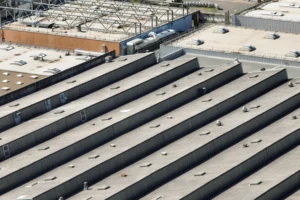
Multi-family properties often feature complex roofing systems with multiple slopes, flat areas, and rooftop amenities. These factors make inspections and maintenance more challenging than single-family homes. Common issues include:
- Flat Roof Water Ponding: Flat roofs are prone to standing water, which can lead to leaks and structural damage if not addressed promptly.
- High Foot Traffic Areas: Roofs with HVAC units, solar panels, or maintenance walkways experience additional wear.
- Shared Maintenance Responsibility: In HOA-managed communities, coordination among multiple stakeholders is essential for timely repairs and budgeting.
Professional roofing contractors like Vertice Roofing understand these challenges and tailor inspection and maintenance plans to meet the unique needs of multi-family properties in Plano, Frisco, McKinney, Allen, Richardson, and surrounding areas.
Choosing a Professional Roofing Partner
For multi-family properties, it’s critical to work with a roofing company that understands large-scale systems and the nuances of property management. A professional team brings:
- Experience Across Property Types: Residential, commercial, and multi-family expertise ensures the right approach for each building.
- Knowledge of Local Weather: Plano and North Texas weather patterns, including heat, storms, and hail, require roofing systems that can withstand extreme conditions.
- Transparent Communication: Detailed reports, clear recommendations, and honest pricing help property managers make informed decisions.
By partnering with a local expert like Vertice Roofing, property managers gain peace of mind knowing that their roofs are inspected, documented, and maintained by professionals committed to protecting their investment.
Conclusion
Roof inspections are an indispensable part of multi-family property management. Regular inspections provide early detection of damage, improve safety, maintain insurance compliance, and allow for strategic long-term planning. For property managers and HOAs in Plano, TX, and surrounding areas like Frisco, McKinney, Allen, and Richardson, a proactive approach to roof maintenance ensures that your investment is protected, tenants remain safe and satisfied, and costly repairs are minimized.
Professional inspections, coupled with detailed reporting and long-term planning, allow property managers to make informed decisions about roof repairs, replacements, and preventative measures. With a trusted local partner like Vertice Roofing, multi-family properties can enjoy durable, well-maintained roofing systems that support the building’s structural integrity and the comfort of its residents for years to come.
Protect your multi-family property today—schedule a professional roof inspection with Vertice Roofing and stay ahead of potential problems while safeguarding your investment.