If you’ve ever scheduled a roof inspection—or considered one—you’ve probably wondered what does a roof inspection include and what a professional roofer is actually looking for. For homeowners and property managers in Plano and across North Texas, understanding the inspection process helps you make informed decisions, spot problems early, and avoid costly surprises later.
A professional roof inspection isn’t just a quick glance at your shingles. When handled correctly, it’s a structured, methodical evaluation designed to identify current issues, potential risks, and long-term planning considerations.
Below is a clear, step-by-step breakdown of what happens during a professional roof inspection, and how Vertice Roofing approaches the process as trusted local roofing experts serving Plano and surrounding communities.
Step 1: Initial Property Walk-Around and Roof Overview
Every professional roof inspection starts from the ground.
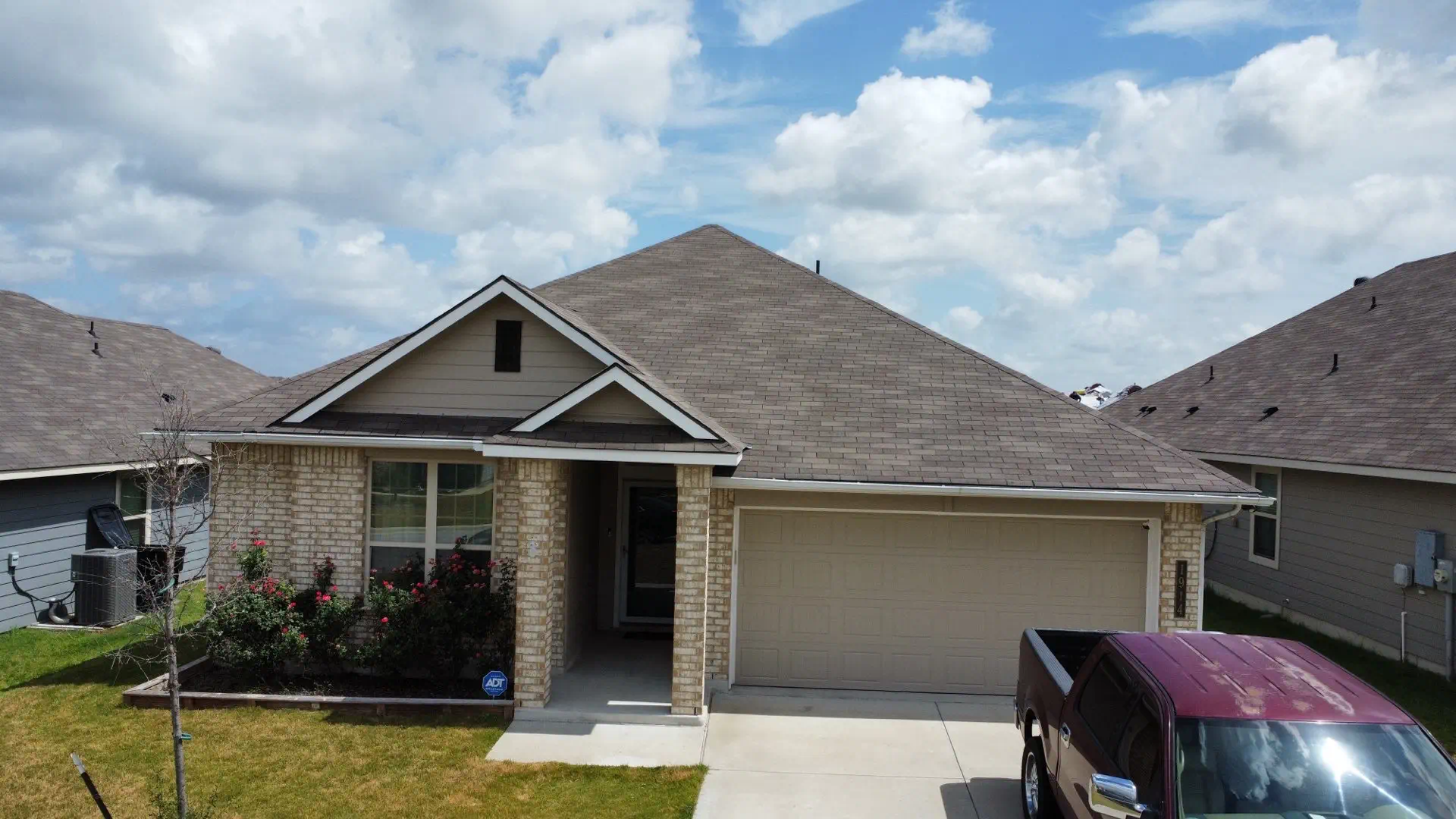
Before climbing onto the roof, Vertice Roofing begins with a full exterior walk-around of the property. This allows the inspector to understand the roof’s layout, slope, materials, and overall condition before focusing on specific details.
During this phase, the inspector evaluates the roof style, complexity, visible rooflines, drainage patterns, and gutter placement. Obvious sagging, uneven sections, or water-flow concerns often provide early clues about potential problem areas.
This initial overview creates context for the rest of the inspection. For example, drainage concerns spotted at ground level may explain surface wear or moisture-related issues identified later.
Step 2: Surface Inspection of Roofing Materials
Once on the roof, the inspector performs a systematic evaluation of the roofing materials themselves.
For residential roofs, this includes checking shingles for cracking, curling, blistering, granule loss, missing sections, and exposed fasteners. Wear caused by prolonged heat and sun exposure is especially common on North Texas roofs and is carefully documented.
For commercial and multi-family properties, inspections may focus on membrane condition, seams, transitions, coatings, and areas affected by foot traffic or equipment access.
This step helps determine whether issues can be addressed through targeted repairs or if larger solutions may eventually be needed. When repairs are appropriate, Vertice Roofing clearly explains options and next steps, often referencing their professional roof repair services as part of the discussion.
Step 3: Flashing, Penetrations, and Vulnerable Areas
Some of the most common roof leaks don’t originate from shingles themselves, but from the areas surrounding roof penetrations and transitions.
A professional roof inspection includes a close look at flashing around chimneys, skylights, vents, roof-to-wall connections, and valleys. These areas are especially vulnerable to water intrusion if flashing has deteriorated, shifted, or was improperly installed.
Inspectors look for cracked sealant, corrosion, separation, lifting edges, and signs of past repairs that may no longer be effective. Catching flashing issues early often prevents interior damage that can go unnoticed for months.
Step 4: Gutter System and Drainage Evaluation
A roof’s performance depends heavily on how well water is directed away from the structure.
During the inspection, Vertice Roofing evaluates gutters and downspouts for sagging, blockages, improper slope, or separation from the roof edge. The inspector also looks for signs of water backup under shingles, overflow patterns, and erosion near the foundation.
Poor drainage can accelerate roof wear, contribute to rot, and shorten overall roof lifespan. Addressing these concerns early often reduces the likelihood of more extensive repairs later.
Step 5: Attic and Interior Assessment When Accessible
When access allows, a professional roof inspection includes a look inside the attic or interior spaces beneath the roof.
This step often reveals issues that are not visible from the exterior. Inspectors check for water stains, discoloration on decking, damp insulation, mold or mildew growth, and signs of inadequate ventilation.
Inadequate airflow can trap heat and moisture, accelerating roof deterioration—especially during hot North Texas summers. Identifying these conditions early helps property owners protect both the roof system and the home’s interior.
Step 6: Structural and Support Evaluation
Although a roof inspection is not a full structural engineering assessment, inspectors do evaluate visible structural components that affect roof performance.
This includes checking for soft spots, sagging sections, uneven decking, and signs of prolonged moisture exposure. These observations help determine whether a roof is a candidate for repair or whether long-term planning for replacement may be more appropriate.
When needed, Vertice Roofing discusses future considerations related to roof replacement in a practical, non-pressured way.
Step 7: Documentation, Photos, and Clear Findings
One of the most valuable aspects of a professional roof inspection is thorough documentation.
Vertice Roofing provides clear explanations supported by photos when appropriate. This documentation helps property owners understand what is in good condition, what needs attention, and what should be monitored over time.
These findings can be useful for maintenance planning, budgeting, property records, and informed conversations about next steps—without alarmist language or vague recommendations.
Step 8: Recommendations Based on Property Type and Goals
No two properties are the same, and professional roof inspections should never result in generic advice.
Based on inspection findings, Vertice Roofing tailors recommendations depending on whether the property is residential, commercial, or multi-family. Homeowners may focus on preventative maintenance, while property managers often benefit from longer-term strategies tied to multi-family roofing or operational considerations related to commercial roofing.
The goal is always to provide clarity and help clients make confident decisions aligned with their timelines and priorities.
Step 9: When a Professional Roof Inspection Makes Sense
While this guide explains what happens during a roof inspection, knowing when to schedule one is equally important.
Professional inspections are commonly recommended after severe weather, before buying or selling a property, when leaks or damage appear, or as part of proactive maintenance planning. Scheduling a professional roof inspection allows issues to be addressed early and helps extend roof lifespan.
Why Professional Roof Inspections Matter in North Texas
Plano and surrounding North Texas communities experience intense sun, seasonal storms, and temperature swings that place constant stress on roofing systems.
Vertice Roofing brings local experience and region-specific knowledge to every inspection. Their approach emphasizes accuracy, transparency, and practical guidance—helping property owners understand their roofs without pressure or exaggerated claims.
Final Thoughts: Knowing What’s Above You Matters
So, what does a roof inspection include? Far more than most people expect.
A professional roof inspection is a detailed evaluation of materials, drainage, structure, and interior conditions. When performed by experienced local professionals like Vertice Roofing, it becomes one of the most effective ways to protect your property and plan confidently for the future.
If you’re unsure about your roof’s condition or want expert insight, scheduling a professional inspection is a smart first step.