Managing a multi-family property involves balancing the needs of tenants, maintaining common areas, and ensuring the long-term value of the property. One of the most significant expenses property managers and HOAs face is roofing maintenance and replacement. A well-planned budget is critical for preventing unexpected costs, maintaining insurance compliance, and protecting property value.
In Plano, TX, and surrounding areas including Frisco, McKinney, Allen, and Richardson, multi-family roofing projects require careful financial planning. Roofs are complex systems, and costs can vary widely based on material, labor, roof size, and local conditions. This guide from Vertice Roofing provides practical strategies to budget effectively for roof replacements in apartment complexes, condo developments, and HOA-managed communities.
Understanding Roof Lifespan and Timing
The first step in budgeting for a multi-family roof replacement is understanding the expected lifespan of the existing roof. Common materials such as asphalt shingles typically last 20–25 years, while metal, tile, or TPO roofs may last 30 years or more. Age alone can indicate the need for replacement, but it’s not the only factor.
Storm damage, wear from foot traffic, and improper maintenance can accelerate deterioration. Ignoring minor repairs or delaying replacements can result in higher costs down the line. Property managers should schedule regular inspections to monitor roof health. These inspections can provide the data needed to estimate the timing and scope of a replacement project accurately.
By planning ahead, you can spread costs over multiple budget cycles instead of scrambling for emergency funds, ensuring your multi-family property remains protected without compromising tenant satisfaction or insurance coverage.
Assessing the Scope of the Project
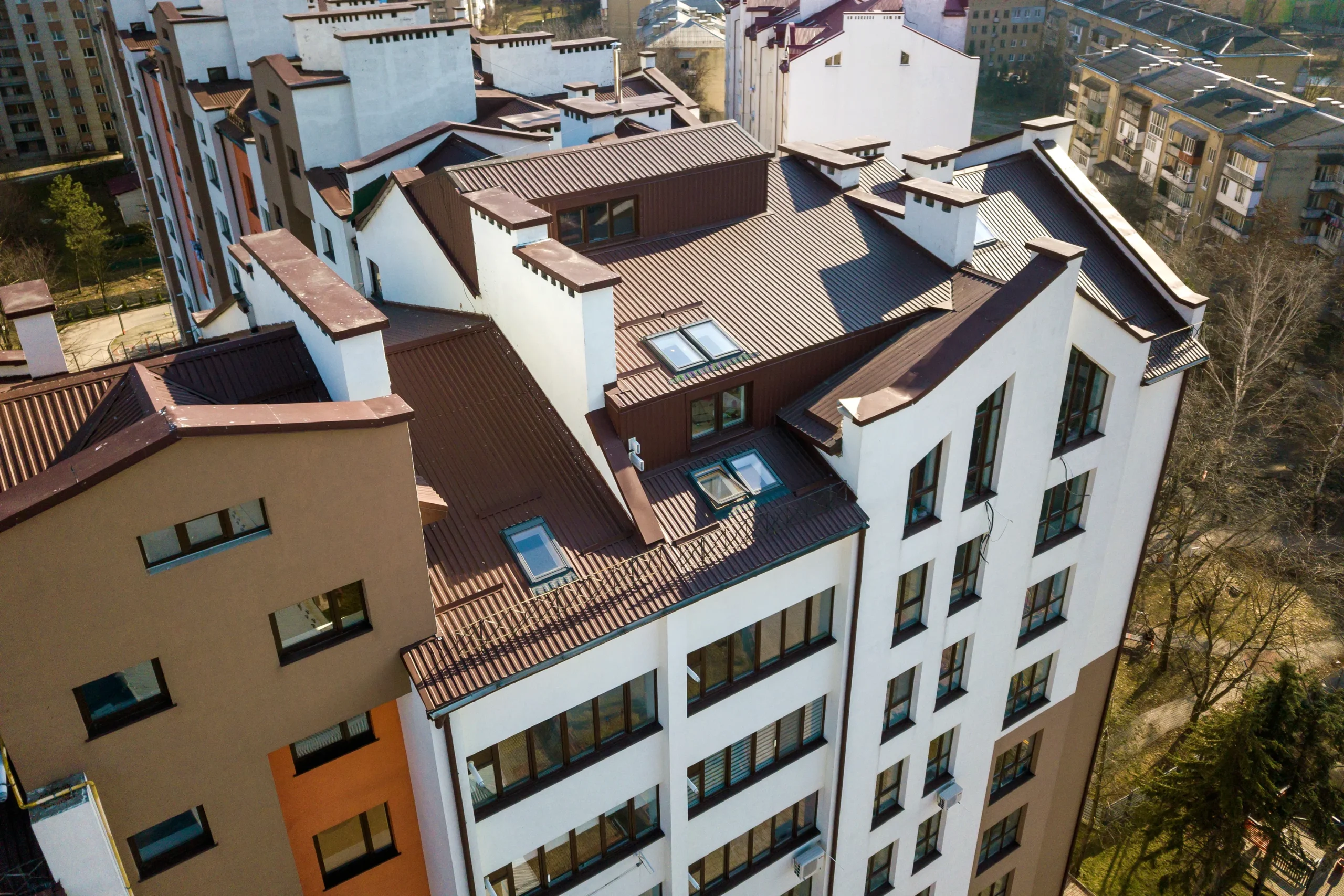
Budgeting begins with assessing the size and complexity of the roof replacement. Multi-family properties often feature multiple buildings with varied roof structures, which increases the project scope compared to a single-family home. Key factors to consider include:
- Roof Size and Number of Buildings: Larger properties with multiple structures require more materials and labor.
- Material Choice: Premium materials like metal or tile offer longevity but higher upfront costs, while asphalt shingles provide a more budget-friendly option.
- Accessibility and Roof Design: Complex designs with multiple levels, slopes, or hard-to-reach areas may increase labor costs.
- Tenant Coordination: Planning for minimal disruption and temporary relocations (if necessary) can also impact budget.
Vertice Roofing recommends conducting a thorough assessment to identify these factors early, allowing property managers to create a realistic financial plan.
Getting Multiple Quotes
A critical step in budgeting is obtaining multiple quotes from reputable roofing contractors. Competitive quotes help you understand market rates for materials and labor in Plano and surrounding areas. When reviewing proposals, ensure that each quote includes:
- Detailed breakdown of materials
- Labor costs and time estimates
- Warranties and guarantees
- Cleanup and disposal fees
By comparing multiple bids, property managers can make informed decisions without sacrificing quality. Choosing a reputable contractor ensures the work is completed correctly, reducing the likelihood of future repairs or insurance disputes.
Incorporating Contingency Funds
Even with detailed planning, roof replacements can present unexpected costs. Weather delays, hidden structural issues, or changes in material prices can impact the final budget. It’s recommended to allocate a contingency fund of 10–15% of the projected budget to cover unforeseen expenses.
For multi-family properties, this buffer is particularly important. Unexpected damage discovered during tear-off, such as rotting decking or compromised flashing, can significantly increase costs. A well-planned contingency allows property managers and HOAs to address these issues promptly without derailing the overall financial plan.
Considering Long-Term Costs and ROI
When budgeting for roof replacements, it’s important to look beyond the initial expense and consider the long-term value. A high-quality roof can reduce maintenance costs, improve energy efficiency, and increase the property’s market value. Energy-efficient materials, reflective coatings, or upgraded insulation can lower heating and cooling costs for the entire building, delivering tangible financial benefits over time.
Additionally, insurance premiums may be impacted by roof condition. Many insurance companies require roofs to be replaced after a certain age or if damaged. Failing to plan for replacement can lead to denied claims or higher premiums. By investing in a professional roof replacement from a trusted company like Vertice Roofing, property managers protect both the property and their bottom line.
Financing Options for Multi-Family Roof Replacements
Multi-family property managers and HOAs often need flexible financing solutions to accommodate large-scale roof replacements. Several options exist:
- Reserve Funds: Many HOAs maintain reserve funds for capital improvements, including roof replacements. Planning contributions in advance ensures funds are available when needed.
- Commercial Loans or Lines of Credit: For larger projects, short-term financing or low-interest loans can help manage cash flow without straining operational budgets.
- Payment Plans: Some roofing contractors, including Vertice Roofing, offer structured payment options to spread costs over time while ensuring quality work.
Understanding available financing options allows property managers to choose the approach that best suits their property’s financial situation.
Coordinating With Tenants and Property Occupants
A multi-family roof replacement involves more than budgeting for materials and labor. Coordinating with tenants is crucial to minimize disruption. Property managers should:
- Notify tenants well in advance of the project timeline
- Schedule noisy or disruptive work during off-peak hours
- Ensure safety measures are in place around construction zones
These considerations, while not directly tied to material costs, can impact labor scheduling, temporary accommodations, and overall project budgeting. By planning proactively, property managers maintain tenant satisfaction and avoid potential conflicts.
Scheduling Inspections and Maintenance Post-Installation
Budgeting should also account for post-replacement inspections and maintenance. Proper inspections ensure that the roof has been installed according to industry standards, protecting warranties and insurance coverage. Regular maintenance extends the lifespan of the new roof, prevents costly repairs, and supports accurate long-term financial planning for the property.
Vertice Roofing offers comprehensive post-installation services, including inspections, preventative maintenance, and warranty support for multi-family properties in Plano, Frisco, McKinney, Allen, Richardson, and surrounding areas.
Tips for Accurate Multi-Family Roof Replacement Budgeting
- Engage a Professional Early: Hiring an experienced roofing contractor from the start ensures realistic cost estimates and avoids surprises.
- Include Material, Labor, and Contingency: Don’t overlook installation complexity or potential hidden damage when creating your budget.
- Plan for Energy Efficiency Upgrades: Consider options that improve insulation and reflectivity to reduce long-term utility costs.
- Document Everything: Detailed records help justify budget allocations to HOA boards and support insurance claims if needed.
- Review Local Trends: Costs vary across Plano and surrounding areas; understanding regional pricing ensures more accurate estimates.
Conclusion
Roof replacements for multi-family properties are significant investments that require careful planning, budgeting, and professional execution. Property managers and HOAs in Plano, TX, and neighboring areas including Frisco, McKinney, Allen, and Richardson, benefit from partnering with experienced roofing contractors like Vertice Roofing.
By understanding roof lifespan, assessing project scope, obtaining multiple quotes, allocating contingency funds, and considering long-term ROI, property managers can create a comprehensive budget that protects both the property and the bottom line. Coordinating with tenants, planning inspections, and maintaining the roof post-installation further ensures that the investment delivers long-lasting value.
Ultimately, budgeting for multi-family roof replacements is about more than balancing the books—it’s about safeguarding property, ensuring tenant safety, maintaining insurance compliance, and enhancing property value. With the right planning and professional support, multi-family property managers can approach roof replacements with confidence, knowing that their investment will pay off for years to come.