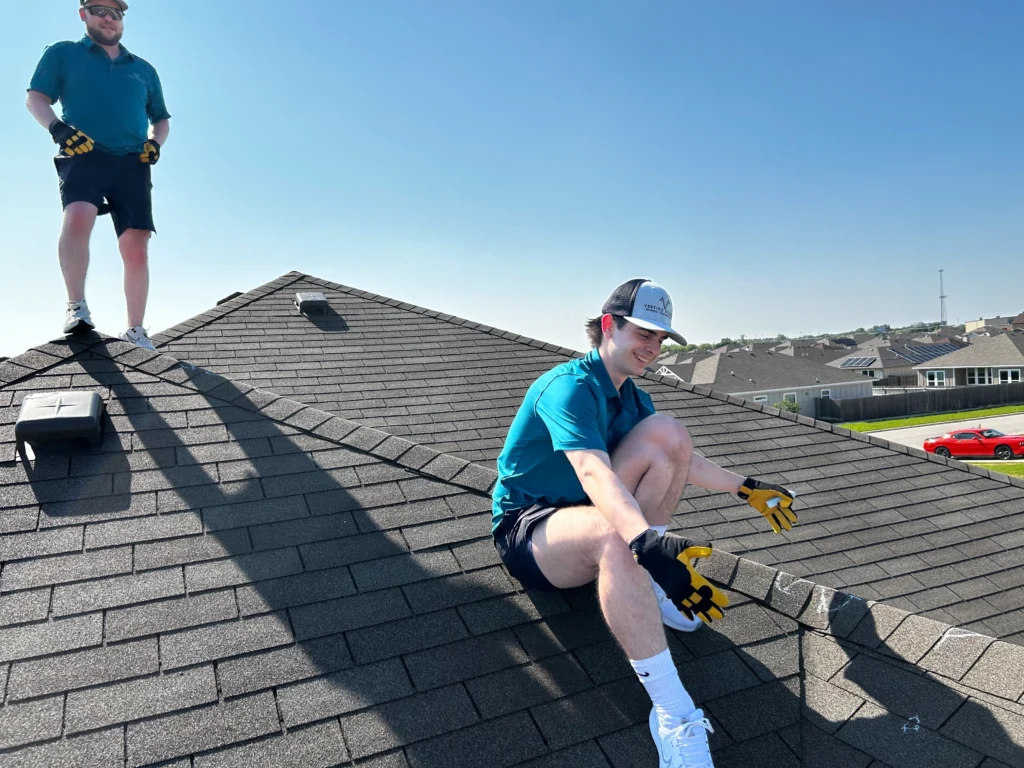
Your roof is one of the most critical investments in your home or property, protecting everything beneath it from the elements. But did you know that the age of your roof can significantly impact your insurance coverage? For homeowners, multi-family property managers, and commercial property owners, understanding how roof age affects insurance policies is vital to avoid gaps in coverage, surprise out-of-pocket expenses, and potential disputes with insurers.
Whether you’re considering a roof repair, roof replacement, or roof inspection, knowing the relationship between roof age and insurance coverage can help you make informed decisions and protect your investment.
Why Roof Age Matters to Insurance Companies
Insurance companies view a roof as a critical component of a property’s overall risk profile. Just like any other building material, roofs deteriorate over time due to exposure to sun, wind, rain, and storms. An aging roof is more susceptible to leaks, structural damage, and other issues that can result in costly insurance claims.
As a result, many insurance providers have specific policies or restrictions regarding older roofs. Understanding these policies can help you avoid situations where your insurance only partially covers damage or refuses coverage altogether.
Common Age-Related Policy Limitations
- Actual Cash Value (ACV) Coverage:
When a roof reaches a certain age—typically 15 to 20 years for asphalt shingles—insurance companies may shift from replacement cost coverage to ACV. ACV coverage reimburses you for the depreciated value of your roof, not the full cost of a replacement. This means homeowners may receive less than half of what it would take to install a new roof. - Non-Covered Roof Damage:
Insurance companies may refuse to cover damage if a roof is deemed too old or neglected. For example, if your roof has aged beyond the insurer’s limits, a storm that damages the shingles may not result in a payout for a full roof replacement. - Pre-existing Damage Exclusions:
Many policies include clauses excluding coverage for damage that existed before the policy began. If your roof has prior storm damage or wear that was never repaired, your insurance company might deny future claims.
How Insurance Companies Assess Roof Age
Insurance adjusters consider multiple factors when evaluating roof age and determining coverage eligibility. Some of the key elements include:
- Material Type: Asphalt shingles, metal roofing, tile, and flat roofing materials have different lifespans, which insurers factor into coverage decisions.
- Installation Date: Policies may require documentation of when the roof was installed or last replaced.
- Visible Wear and Damage: Inspectors look for signs of cracking, curling, missing shingles, leaks, or other deterioration.
- Maintenance History: Well-maintained roofs may still qualify for coverage even as they age, whereas neglected roofs may face coverage limitations.
Understanding these criteria can help property owners prepare for inspections, document roof condition, and avoid surprises when filing claims.
Impact on Residential Roofs
For homeowners, the age of a roof can directly affect insurance premiums and coverage. Older roofs are considered higher risk, which may result in:
- Higher premiums: Insurers may charge more to cover the increased likelihood of claims on an aging roof.
- Limited coverage: ACV policies instead of replacement cost coverage are common for roofs over 15–20 years old.
- Exclusions for storm damage: If the roof has visible deterioration, insurers may deny claims related to storms, hail, or wind damage.
For homeowners in Texas or other regions with severe weather, roof age is especially critical. High winds, hail, and heavy rains can exacerbate wear and tear, making timely roof inspections and replacements essential for maintaining insurance protection.
Multi-Family and HOA Considerations
In multi-family properties and townhome communities, roof age can have even broader implications. A single roof often protects multiple units, so insurance coverage and premium calculations may be affected by:
- Shared roof responsibility: HOAs and property managers must ensure roofs are maintained and replaced as needed to avoid collective insurance issues.
- Impact on individual unit owners: If a roof is too old and insurance only offers ACV coverage, unit owners may need to contribute additional funds for repairs or replacement.
- Preventive maintenance requirements: Insurance companies may require documentation of roof inspections and maintenance for multi-family or shared properties.
Proactive roof replacement and maintenance help property managers protect residents, maintain property value, and ensure insurance claims are honored if damage occurs.
Commercial Roofing Considerations
Commercial property owners should also be aware of how roof age affects insurance. Flat roofing systems, TPO, EPDM, and metal roofs each have defined lifespans that insurers consider during policy issuance and claims assessment.
Key factors affecting coverage for commercial roofs include:
- Roofing material age: Older commercial roofs may receive ACV coverage or have exclusions for certain damage types.
- Maintenance records: Demonstrating routine inspections and repairs can improve chances of full coverage.
- Lease agreements and liability: Aging roofs on commercial buildings may pose liability risks if damage impacts tenants or operations.
For businesses, timely roof inspections, repairs, or replacements can reduce the risk of denied claims, minimize business interruptions, and protect the property’s long-term value.
Steps to Protect Your Coverage
Even if your roof is aging, there are proactive steps you can take to maintain insurance coverage and minimize risk:
- Schedule regular roof inspections: Inspections identify damage, wear, or potential issues early, allowing you to address them before filing claims.
- Maintain detailed maintenance records: Document all repairs, cleaning, and maintenance to demonstrate proactive care.
- Plan timely repairs or replacement: Addressing minor issues before they escalate can keep your roof within coverage eligibility.
- Communicate with your insurer: Notify your insurance company of upgrades, repairs, or replacements to ensure accurate policy records.
- Consider algae-resistant or durable roofing materials: Modern shingles and roofing systems can extend lifespan and improve coverage options.
When to Consider Roof Replacement
If your roof is reaching the end of its expected lifespan, has significant wear, or has sustained storm damage, a roof replacement may be the most practical solution. Replacement ensures that your property remains fully insured and protects against future claims disputes.
For residential, multi-family, and commercial properties, professional roof replacement provides:
- Improved protection against water intrusion and leaks
- Enhanced durability and energy efficiency
- Compliance with insurance requirements for new or upgraded roofing systems
By acting proactively, you can avoid being trapped in the insurance “loophole” where an old roof reduces coverage or leads to out-of-pocket expenses.
Working With a Trusted Roofing Contractor
A professional roofing contractor can guide property owners through the intersection of roof maintenance, replacement, and insurance considerations. Experienced contractors offer:
- Roof inspections that identify age-related issues
- Recommendations for repair versus replacement
- Installation of durable, code-compliant roofing materials
- Documentation to support insurance claims
Whether you own a home, manage a townhome community, or operate a commercial property, partnering with a reputable roofing contractor ensures your roof remains protected and your insurance coverage is maximized.
Conclusion
Roof age plays a significant role in insurance coverage for residential, multi-family, and commercial properties. Older roofs may face ACV-only coverage, exclusions, higher premiums, or outright claim denials if not properly maintained. Understanding your roof’s condition, maintaining detailed records, performing timely repairs or replacements, and working with trusted roofing professionals are all critical steps in protecting both your property and your insurance investment.
By staying proactive, property owners can ensure that their roof continues to provide the protection it was designed for, maintain full insurance coverage, and avoid costly surprises in the event of storm damage or other incidents.
Your roof is more than just a shelter—it’s an investment in your property, your peace of mind, and your financial security. Don’t let age compromise coverage. Schedule a roof inspection, maintain your roof, and consult a trusted contractor to ensure your property is fully protected.