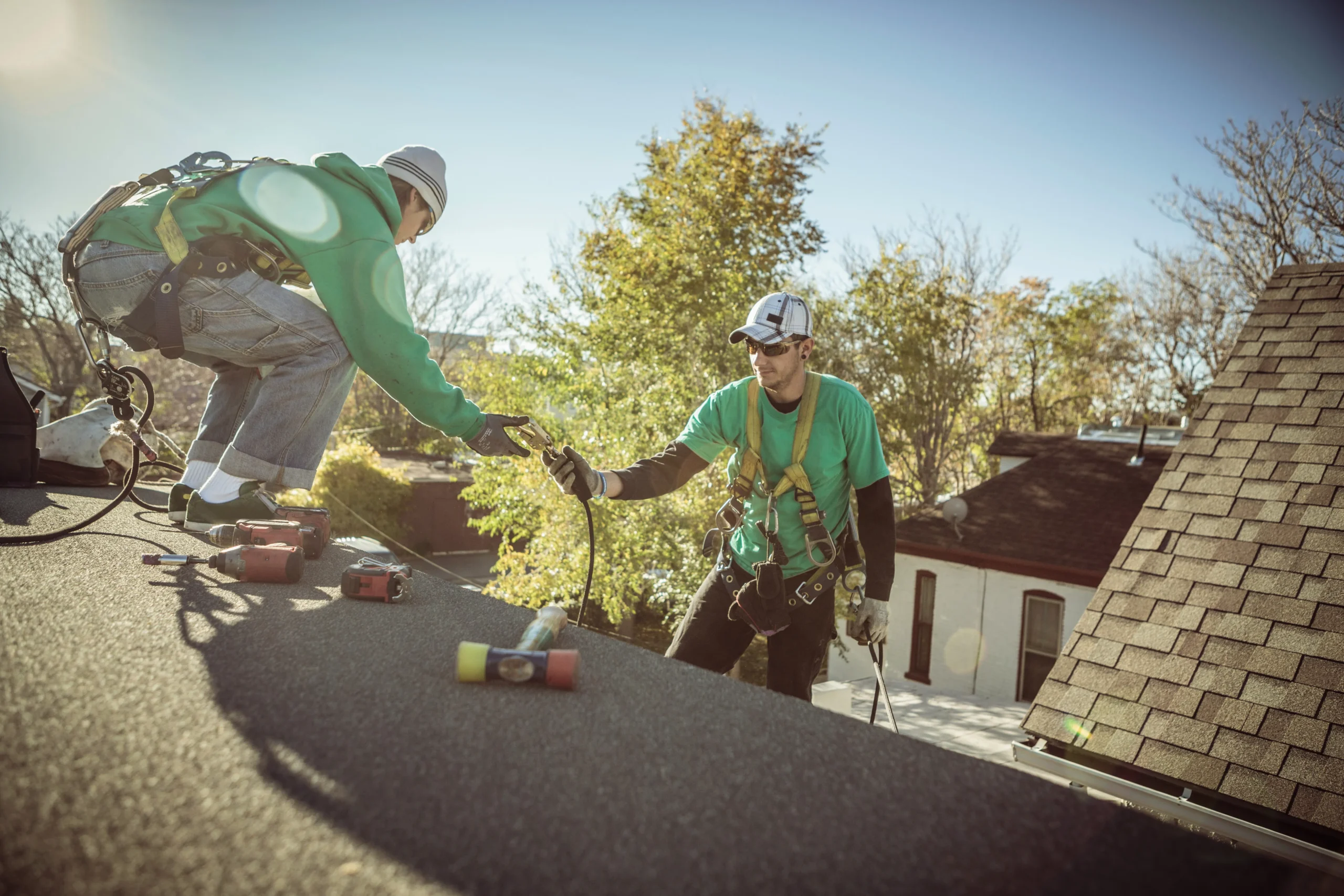

Your roof is one of the most critical components of any property, protecting your home, business, or multi-family community from the elements. Despite its importance, many property owners neglect regular roof inspections until a leak or visible damage appears. However, waiting until problems arise can lead to costly repairs, shortened roof lifespan, and insurance complications.
Whether you own a residential home, manage a townhome complex, or oversee a commercial building, understanding how often to schedule roof inspections is essential. Proper inspection schedules not only prevent minor issues from becoming major problems but also ensure your roof remains durable, energy-efficient, and structurally sound.
Why Regular Roof Inspections Matter
Regular roof inspections are a proactive way to maintain your investment and protect your property. The benefits of consistent inspections include:
- Early detection of damage: Identifying worn shingles, leaks, or flashing issues early prevents more extensive damage later.
- Extended roof lifespan: Routine inspections allow for timely repairs, helping your roof last longer and reducing the need for premature replacement.
- Insurance compliance: Many insurance policies require documented roof inspections to ensure claims are valid in the event of storm or weather damage.
- Tenant safety and comfort: For multi-family properties, inspections protect residents from leaks, mold, and structural issues.
- Cost savings: Addressing small problems early prevents costly roof replacements or emergency repairs down the line.
Inspections are not just about spotting visible issues—they also assess structural integrity, drainage, ventilation, and the overall condition of your roofing system.
Recommended Roof Inspection Frequency
The frequency of roof inspections depends on several factors, including property type, roof age, roofing material, and environmental conditions. Below is a general guideline for residential, multi-family, and commercial properties.
Residential Roofs
For single-family homes, it’s recommended to have your roof inspected at least once or twice a year:
- Spring inspection: After winter, check for damage from ice, snow, or freezing temperatures.
- Fall inspection: Before winter storms, ensure shingles, flashing, and gutters are in good condition.
In addition to routine inspections, schedule a professional roof inspection after:
- Major storms (hail, wind, heavy rain, or tornadoes)
- High winds or fallen tree branches
- Visible signs of leaks, curling shingles, or missing granules
Multi-Family and Townhome Properties
Multi-family properties and HOA-managed communities often have larger roof systems that protect multiple units. For these properties, inspections should occur at least twice a year, with additional inspections after severe weather events.
- Shared roof systems: Issues on one section of the roof can affect multiple units, so thorough inspections are critical.
- Tenant protection: Regular inspections prevent leaks, water damage, and mold growth in shared living spaces.
- Maintenance planning: Inspections help property managers schedule repairs efficiently without disrupting residents.
Commercial Roofs
Commercial buildings, including offices, warehouses, and retail spaces, often have flat or low-slope roofs that require specialized inspection techniques. For commercial roofing systems, inspections should occur at least twice a year, with additional checks after storms or seasonal changes.
- Flat roofs: More prone to standing water and drainage issues, requiring frequent monitoring.
- TPO, EPDM, and metal roofs: Inspections ensure seams, flashing, and fasteners remain secure.
- Safety and compliance: Regular inspections can prevent liability issues from leaks or structural damage affecting tenants or employees.
Factors That Affect Inspection Frequency
Several factors may influence how often your roof needs a professional inspection:
- Roof Age: Older roofs, typically 15–20 years for asphalt shingles, require more frequent inspections due to natural wear and tear.
- Roofing Material: Different materials have varying durability. Asphalt shingles may need more attention than metal or tile roofs.
- Climate and Weather: Regions prone to storms, hail, or high winds should schedule inspections more frequently. Texas, for example, experiences a range of weather that can accelerate roof wear.
- Property Type: Multi-family and commercial properties with larger or more complex roofs require more consistent inspections than single-family homes.
- Previous Repairs: Roofs that have undergone repairs may require follow-up inspections to ensure the repair was successful and no new issues have developed.
What Happens During a Roof Inspection
A thorough roof inspection involves multiple steps to evaluate the health of your roofing system. While each contractor may have a slightly different approach, a professional roof inspection generally includes:
- Visual exterior inspection: Checking shingles, tiles, or metal panels for damage, wear, or missing pieces.
- Flashing and gutter assessment: Ensuring flashing around chimneys, vents, and skylights is intact and gutters are clear.
- Interior inspection: Looking for signs of leaks, water damage, or mold inside the attic or ceilings.
- Structural evaluation: Checking for sagging, deck damage, or compromised support.
- Documentation and reporting: Providing a detailed report with recommended repairs, maintenance, or replacement options.
For multi-family and commercial properties, inspections may also include drone assessments, infrared imaging, or moisture detection tools to ensure comprehensive evaluation.
Benefits of Professional Roof Inspections
While homeowners may be tempted to inspect their roofs themselves, professional roof inspections offer several advantages:
- Expertise: Contractors are trained to spot issues that the untrained eye might miss.
- Safety: Roof inspections can be dangerous, especially on steep or commercial roofs. Professionals have the equipment and experience to perform inspections safely.
- Documentation for insurance: A professional inspection report can support claims in case of storm damage or leaks.
- Long-term savings: Identifying problems early reduces costly repairs, emergency fixes, or full roof replacements.
Maintenance and Repairs Following Inspections
Inspection alone isn’t enough—addressing identified issues promptly is critical. Common post-inspection maintenance and repair activities include:
- Roof repair: Fixing leaks, replacing damaged shingles, or resealing flashing to prevent water intrusion.
- Roof cleaning: Removing debris, moss, or algae that can cause deterioration.
- Preventive maintenance: Applying sealants, inspecting ventilation, and cleaning gutters to extend roof life.
- Roof replacement planning: If inspections reveal extensive wear or structural damage, planning a timely roof replacement ensures continued protection and insurance coverage.
Signs You May Need More Frequent Inspections
Even with a regular schedule, certain signs indicate that your roof may need more frequent attention:
- Curling, missing, or cracked shingles
- Granule loss from asphalt shingles
- Leaks or water stains inside the building
- Moss, algae, or mold growth
- Sagging or uneven roof surfaces
Prompt inspections and repairs at the first sign of trouble can prevent more extensive damage and higher repair costs.
Partner With a Trusted Roofing Contractor
Whether for residential, multi-family, or commercial properties, partnering with a reliable roofing contractor is essential. Professional roof inspectors provide the expertise, tools, and maintenance strategies needed to keep your roof in peak condition. Benefits of working with a trusted contractor include:
- Customized inspection plans: Tailored schedules for your property type, roof age, and local climate conditions.
- Comprehensive reporting: Detailed findings with recommended repairs or replacements.
- Preventive care advice: Guidance on extending roof lifespan, enhancing energy efficiency, and maintaining insurance compliance.
- Timely repairs and replacements: Coordinated services to address issues identified during inspections.
Conclusion
Regular roof inspections are a critical component of responsible property ownership and management. They ensure the longevity, safety, and performance of residential, multi-family, and commercial roofs while protecting your investment and maintaining insurance coverage.
For single-family homes, inspections should occur at least twice a year, ideally in spring and fall, and after major storms. Multi-family and commercial properties often require even more frequent inspections to account for larger roof areas, shared spaces, and complex roofing systems.
By scheduling regular inspections, performing recommended maintenance, and addressing repairs promptly, you can extend the life of your roof, avoid costly emergency repairs, and maintain peace of mind. Partnering with a trusted roofing contractor ensures that inspections are thorough, safe, and tailored to your property’s needs.
Investing in regular roof inspections is not just about preventing leaks—it’s about safeguarding your home, your tenants, your business, and the financial security of your property for years to come.